

Are you planning a house move, putting up scaffolding or setting out small tables outside your premises? If the activity requires using part of a road, pavement or other public area, you first need to check which concession or authorisation is required.
Occupying public land covers many situations: from building works to events, from the outdoor areas of shops (including awnings) to charging infrastructure, as well as driveway accesses, parabolic mirrors and ventilation grilles. In Milan, the procedure depends on the activity, the location and the characteristics of the work. Identifying the correct procedure from the start helps you organise space, documents and timing.
Occupation occurs when a public space is used for a particular need, limiting its use by the community in whole or in part. An aerial ladder lift positioned for a house move, scaffolding on the pavement or tables placed outdoors are all examples of situations to be assessed.
The City of Milan distinguishes between temporary occupations, lasting less than one year, and permanent ones, lasting at least one calendar year or with no expressly stated expiry date. This classification must be read together with the terms of the concession and the rules applicable to the specific case.
Private areas over which a public right of way has been established may also fall within the scope of these rules. To understand how to proceed, you therefore need to check the status of the area: proximity to the road or its accessibility alone is not enough to define it.
For which activities should you check whether a concession or authorisation is needed?
The needs may be similar, but they do not all involve the same procedure. Here are the main areas to consider.

For a house move with an aerial ladder lift you need what is commonly called a “parking permit”. You must determine where to place the vehicle, how much space it will take up during the work and whether a parking area will need to be reserved. The City includes house moves in the procedure dedicated to temporary occupations of up to 14 days. Any parking ban also requires arranging the signage in accordance with the prescribed procedures.
No-parking signs must be put up at least 72 hours before the work: only then can the removal of vehicles parked in the area be requested.
Other needs concern access: for a driveway access the sign must show the authorisation number; installing bollards on public land requires a specific assessment. These are separate procedures, to be identified according to the problem you need to solve. Parabolic mirrors and ventilation grilles may also require a specific check.
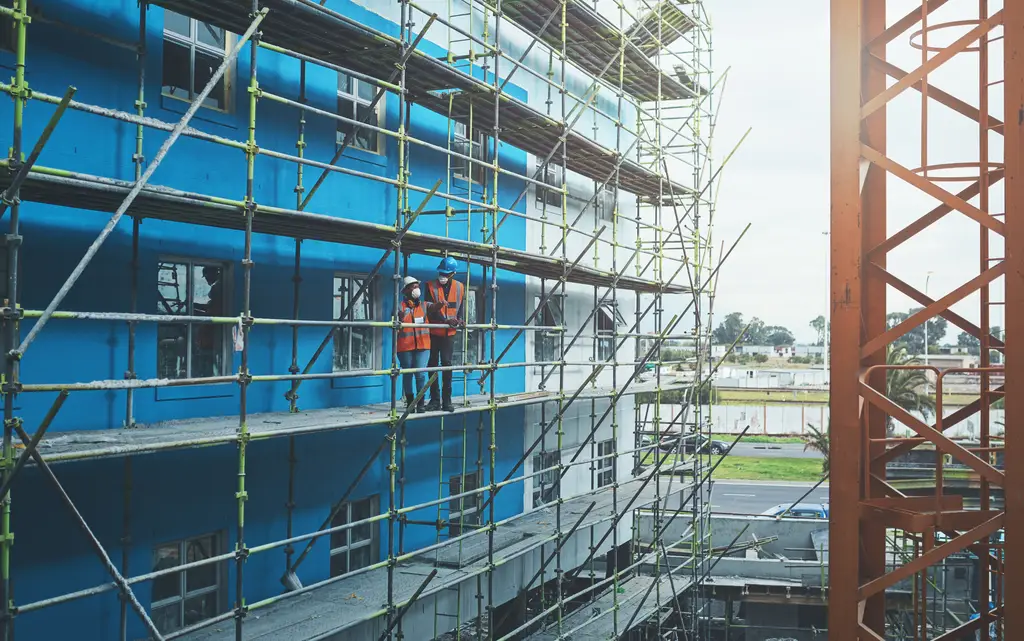
Work on a building may require outdoor space for scaffolding, site fencing, vehicles and equipment. To install scaffolding and site hoardings on public space, the City of Milan requires a dedicated concession.
Preparing the application starts from the area actually affected. Besides the footprint of the structures, you need to consider access to buildings, pedestrian routes and interference with the road. Surveys and technical documentation are needed to represent these conditions and set out the solution to be submitted to the competent offices.

Before furnishing the space in front of a premises, you need to check which occupations are permitted for the business and for that specific location. The physical availability of the pavement is only one of the factors to consider. You must also check whether the Soprintendenza (the heritage protection authority) has imposed any restrictions at the location concerned.
In Milan, removable light or semi-rigid structures and dehors (outdoor seating areas) follow separate application procedures. Awnings can also affect public space, even though they do not rest on the ground. The layout of the furnishings, the characteristics of the business and the restrictions of the location must therefore be examined before purchasing.
An event in a square or other public area may require space for structures, equipment and installations. Planning must also cover what happens before and after the event opens to the public.
If set-up begins on Friday and dismantling ends on Sunday, an event scheduled for Saturday may involve an occupation spread over several days. SUEV (the City’s one-stop shop for events) in fact requires floor plans that also cover the set-up and dismantling phases. You must also check for any further permits linked to the planned activities: the concession of the space does not necessarily cover all the requirements of the event.
For occasions such as Milan Design Week, the City may publish calls to select the initiatives to include in the official programme. When the project involves occupying public land, the application may have a specific deadline, which should be checked in that edition’s call. Admission to the programme does not replace the public land concession or any other permits that may be required.


Building charging infrastructure on public land is also among the works for which you should check dedicated concessions and procedures. The City assigns the management of concessions for charging stations to the competent offices.
The initial assessment must clarify where the infrastructure will be located, who is proposing the work and what use is planned. A project on public land and a charging point in a private space require different treatment: before setting up the application, you need to identify the applicable procedure.
The first step is to identify the relevant procedure. The application for a house move, one for scaffolding and one for the furnishings of a premises may involve different offices, channels and documentation.
For an initial assessment, it is useful to prepare:
The address and location of the area concerned.
The planned activity and the vehicles, structures or furnishings to be used.
Approximate dimensions, dates and duration of use.
Photographs showing the space, the accesses and any obstacles present.
This is a basis for framing the case, not the complete list of mandatory attachments. The procedure identified may require surveys, floor plans, technical drawings and other documents.
In Milan, the calculation of the Canone Unico Patrimoniale (the unified property fee) takes into account surface area, duration, classification of the area and type of activity. To estimate the amount, you therefore need to know the characteristics of the occupation and check the conditions that apply to the case.
In the quotation, the municipal fee, any administrative charges and the fee for the professional handling of the application should be shown separately. You can learn more about the occupation fee estimate service.
The fee may be reduced or not due in the cases provided for by the regulation, without prejudice to the need for the concession or authorisation required: reductions and exemptions must be analysed case by case.
Before confirming the arrival of vehicles, the start of works or the purchase of furnishings, it is advisable to check the feasibility of the occupation and the steps required. Documentation, processing and operational organisation take different amounts of time depending on the case.
For example, reserving an area may involve putting up temporary signage. If the work takes place in Area C (Milan’s congestion charge zone), you also need to check the vehicle’s access requirements and any ticket needed: the occupation concession does not replace this check.
It should also be borne in mind that in some areas of the city vehicle access is restricted based on environmental class: it is advisable to check in good time that the planned vehicle can reach the area.
Coordinating these aspects from the outset helps reduce the risk of having to change a work that has already been scheduled.
To get started you do not need to know the name of the procedure: it is enough to describe what you want to achieve. Occupazione Suolo supports private individuals, professionals and companies with applications in Milan, through preliminary checks, surveys, preparation of documentation and handling of administrative steps. You can get to know the firm better on the About Us page.
Do you need to use a public space in Milan? Tell us what you need to do, where and on which dates: this is the first information needed to assess the situation.
Contact Occupazione Suolo for an initial assessment and a personalised quote.
Do you need to occupy public land and want to know the timeframes, costs and required documents?
Fill out the form with the key details: we will get back to you shortly with a personalised, clear, no-obligation quote.
Every request is carefully assessed to give you an accurate and transparent estimate, based on the type of occupation and the applicable municipal regulations.